Streamlining HR Practices for Hiring Blue Collar Workers

How effective is your HR team in hiring blue-collar workers? This may sound a bit like a loaded question, but we are asking out of genuine concern. At its core, human resources is one of the most people-oriented business functions. However, countless HR professionals across the country and beyond are struggling to devote their time to working face-to-face with company employees.
Instead, they are spending hours completing repetitive administrative tasks. Others are being held up by bottlenecks created by inefficient processes or unsuitable tools. No matter the cause, the outcome is the same. Your HR team can simply not reach its potential for your business and its employees. So, what does it take to solve this conundrum? Streamlining your HR practices can transform the way teams work. Here is how to approach this transformation, incorporating HR best practices and principles for the blue collar workforce.
Utilize Digital Signatures for Paperwork Efficiency
Start by identifying some of the biggest drains on the efficiency of your team. If your HR professionals are still handling contracts and benefits agreements on paper, then the paperwork is likely one of the culprits. Think about it: printing and posting hard-copy documents takes time.
Granted, you could send them by email, but not every employee sits at a desk. Those in more hands-on blue collar jobs may not have easy access to printers, for example. Once the employee receives the documents, they may need to print, sign, and return them. Even if you sent hard copies, there is still the need for signing and returning. When the company receives the documents, HR staff will most likely scan and file them.
Picturing the process in this manner makes it clear just how much time and effort is wasted. Consider the alternative: using digital signature tools allows HR pros and employees to handle the entire process on their phone or online and complete it within minutes. This is one of the HR best practices that can significantly improve efficiency.
Consider that certain documents should always be in PDF format, as it saves time and effort. There is no need for printing and posting, and aside from time savings, your company also benefits from reduced costs and environmental friendliness.
Implement Automated Application and Screening Processes
Next, consider your application process. How much time is your team spending on reviewing applications and screening them to identify the right candidates for blue collar jobs?
In many cases, part of this process can be automated and handled by software or other HR technology. Consider this scenario: if your company needs to hire staff members with a minimum number of years of experience and a high-school diploma, why not allow an HR platform to screen out applications that do not fulfill these criteria? Rather than using your team's time to sift through dozens of unsuitable applications, team members can focus on contacting the candidates that are meeting your basic requirements. This approach aligns with HR principles of efficiency and effectiveness.
Leverage Technology for Sourcing and Talent Acquisition
How is your organization attracting top talent for blue collar jobs? Labor shortages continue to affect many industries ranging from skilled professionals to tradespeople, and temporary summer jobs for teenagers. To attract top talent, whether it is for a few weeks or for the long term, companies need to work smarter, not harder.
Technology can help source and acquire talent for the blue collar workforce. When it comes to jobs like warehousing, trucking, or facilities management, many businesses use application forms as part of their recruitment process. Consider using cloud-based platforms instead. From advertising vacancies on job boards to accepting completed application forms and screening out those that do not meet the requirements, all can be done by leveraging the right technologies. Taking that approach would leave HR professionals to spend their time interviewing shortlisted candidates and ensuring the company hires the most promising individuals.
When it comes to long-term recruitment, smart companies leverage technology to build a talent pipeline. The goal is to establish relationships with potential candidates long before your business needs them. Compare this approach to building personal savings. Not everyone knows exactly what they will use their savings for, but most people are fully aware that creating a financial reserve is essential.
Your talent pipeline is equivalent to that reserve. The company may not need these employees right away, but by building relationships with them, you can reach out directly when the need arises. Winning a big contract could be all it takes to need access to a larger workforce. Local hiring can be particularly effective for blue collar jobs, as it helps build community connections and reduces commute times for workers.
Simplifying Onboarding and Training Processes
Ask yourself how easy it is for new employees to join your business. Every company is looking for candidates that hit the proverbial ground running. But in reality, most new hires take a few weeks or even months to reach their full potential. That seems like a long time for onboarding and training, but it is justified in complex environments and when you expect employees to move home and jobs.
A similar lag can happen when companies plan to move their office and ask existing employees to transfer to another location. Because of the disruptions caused by the move, even the most productive and highly effective individuals may find themselves struggling to work at the same rate.
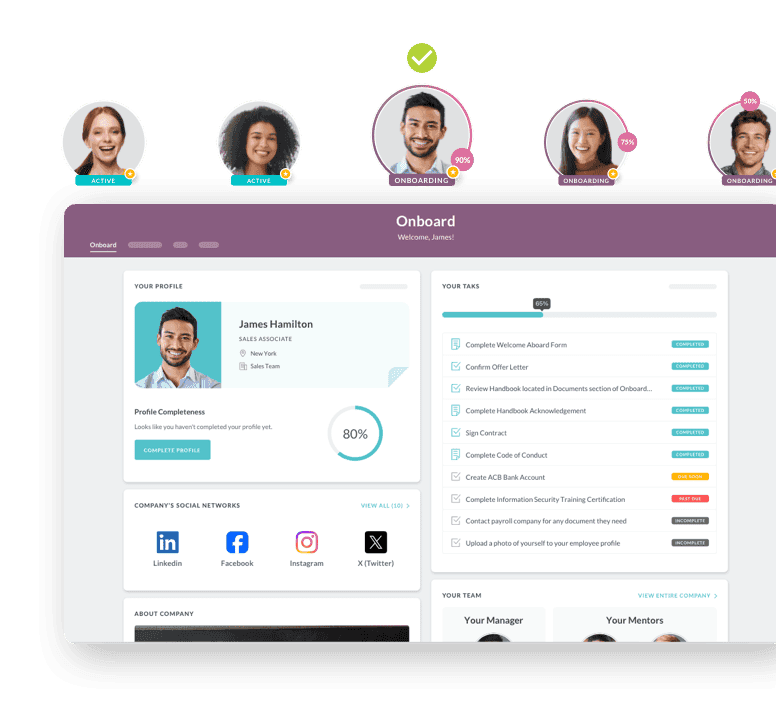
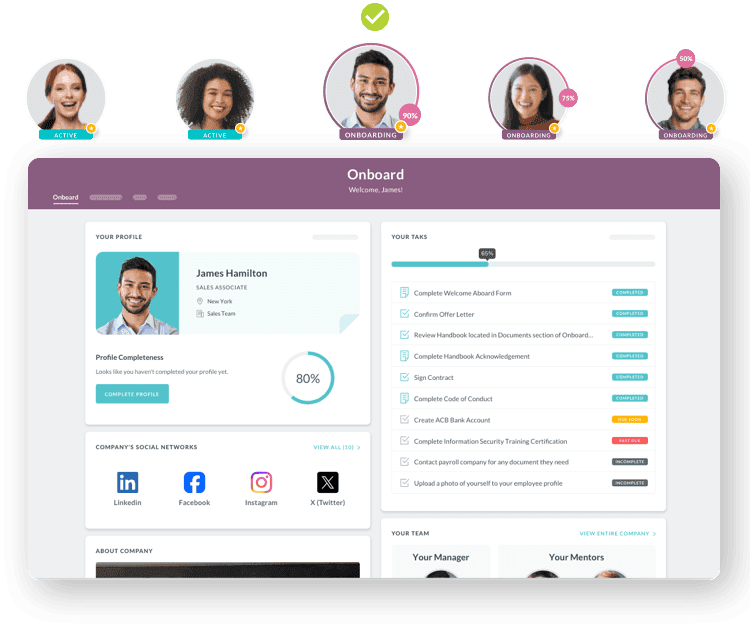
HR teams can minimize lost time by simplifying and optimizing their onboarding and training processes. Some of these tasks may have to be completed in person, but others can be presented via an employee self-service platform that answers many of the questions new employees have. The same goes for employee training. Separating the parts that need to be delivered in person from those that can be prepared online goes a long way toward simplifying and shortening the process.
For blue collar workers, it's crucial to include safety training and safety protocols in the onboarding process. This not only ensures compliance with regulations but also demonstrates the company's commitment to employee well-being, which can boost employee satisfaction and retention.
Enhancing Communication Channels
How well is your HR team communicating? Most HR professionals are naturally good communicators. But still, on occasion, communication between them and other departments or applicants may break down. Queries are forgotten, and questions remain unanswered.
To avoid these communication breakdowns, especially between HR and team members who are not office-based, give your team access to more effective communication channels. In small businesses, this may be as simple as establishing WhatsApp groups. For most companies, though, enhancing communication channels means providing access to comprehensive collaboration tools such as Slack and others.
Remember that communication works best when it goes two ways, and allow your HR team staff to have their say in the choice of communication channels. This will improve engagement and prevent communication barriers from becoming an issue. Effective communication is key to employee engagement and satisfaction, particularly in blue collar work environments where face-to-face interactions may be limited.
Final Thoughts
Effective HR teams make a huge contribution toward the company's overall business goals. They are responsible for finding key talent, training, and retaining them, allowing the business to grow and achieve its goals even in a challenging labor market. To help your HR professionals work as effectively as possible, consider streamlining their practices by leveraging digital technologies and establishing effective communication channels internally and externally.
Implementing HR best practices and principles tailored for the blue collar workforce can lead to significant improvements in recruitment, onboarding, and employee development. By focusing on technical skills, providing comprehensive employee benefits including health benefits, and creating clear career pathways, companies can attract and retain skilled workers in blue collar jobs.
Moreover, the use of HR technology and analytics tools can provide valuable insights into performance management and performance metrics, enabling continuous improvement in workforce development strategies. The results of these efforts will show not only in increased employee satisfaction but also on your company's bottom line.

Discover how our HR solutions streamline onboarding, boost employee engagement, and simplify HR management
Book Your Free Demo
Author Bio:
Emily Shaw is the founder of DocFly, an online PDF editor. As a software developer, she built the site from scratch and is responsible for its operations and continued growth. Previously, she studied engineering at the University of Hong Kong and mathematics at the University of Manchester. In her spare time, she enjoys hiking in the countryside, and spending time with her family.
Keep Reading


Like What You Hear?
We’d love to chat with you more about how HR Cloud® can support your business’s HR needs.
Book Your Free Demo